
Luxury Vinyl Plank Flooring in Longwood, FL
Longwood's Older Homes Deserve Floors Built for Florida

Hear from Our Customers
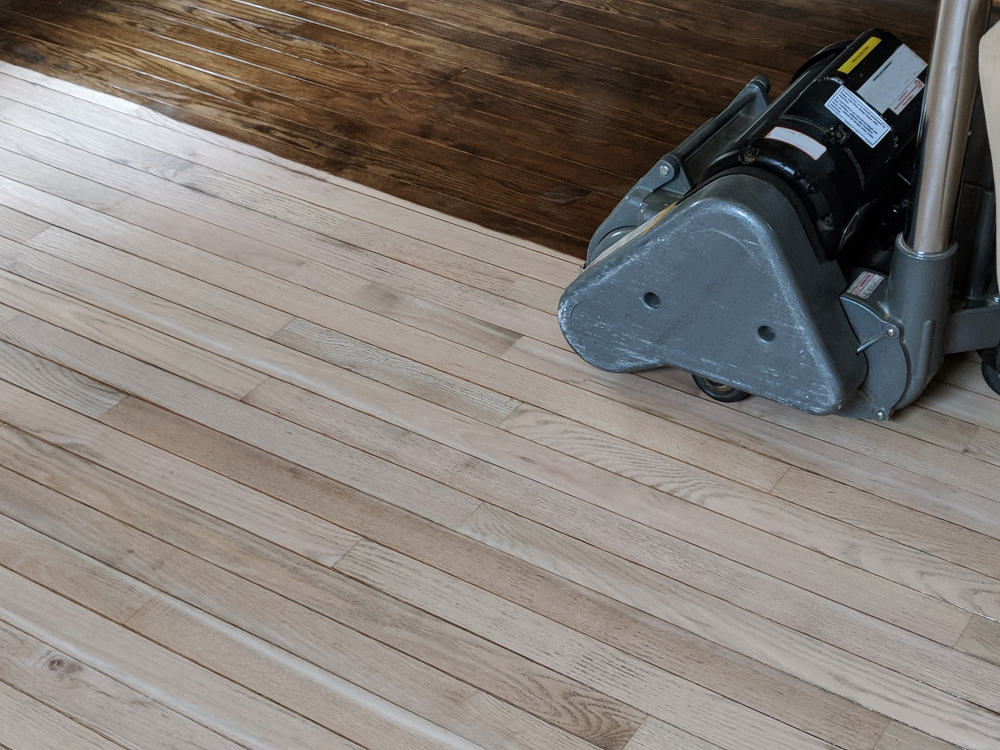
LVP Flooring Installation in Longwood
When you replace worn-out carpet or cracked vinyl sheet with luxury vinyl plank, the difference is immediate. The space looks cleaner, feels more cohesive, and holds up to the kind of daily use that eventually destroys flooring that wasn’t designed for it. That matters more in Longwood than it might somewhere else.
A significant portion of Longwood’s housing stock sits on concrete slab foundations standard for Central Florida construction through the SR 434 corridor and the neighborhoods closer to Ronald Reagan Boulevard. Solid hardwood cannot go directly on concrete without an expensive subfloor system, and laminate swells when moisture gets involved. LVP, specifically the rigid-core SPC variety, is engineered for exactly this situation. It installs directly over concrete, its core is completely waterproof, and it doesn’t expand and contract the way wood-based products do when Florida’s humidity cycles through the seasons.
If you’re in one of Longwood’s established neighborhoods Wekiva, Sabal Point, Sweetwater Oaks there’s a good chance you also have a pool. The zone between your pool door and your living space is one of the hardest areas on any floor in a Florida home. Wet feet, humidity differentials, constant traffic. LVP handles all of it without warping, staining, or separating at the seams. You get a floor that runs seamlessly from your front entry through your living areas and right past the pool access point, without any of the maintenance headaches that come with hardwood or laminate in the same conditions.
Longwood's Trusted LVP Flooring Contractor
We’ve been working in Orange and Seminole County since 1990. That means we were installing floors in Longwood when the Wekiva communities were still being built out, when Sabal Point was new, and when the SR 434 corridor was just beginning to develop into what it is today. That kind of history isn’t just a number it translates into direct knowledge of how Longwood homes are built, what their subfloors look like, and what actually holds up here long-term.
Geste Harms, our owner, is personally involved in every project. He’s not dispatching a crew while managing things from an office. Customers mention him by name in their reviews for showing up on time, staying on schedule, and leaving the job site clean when the work is done. That level of personal accountability is harder to find than it should be in this market.
We’re licensed and insured under Florida’s DBPR requirements, cover both incorporated Longwood and unincorporated Seminole County, and back every project with a satisfaction guarantee. Every job also uses low-VOC products which matters in a home where kids spend time on the floor.

How LVP Flooring Installation Works in Longwood
It starts with a consultation. Before any product gets recommended, we assess the subfloor. In Longwood, that step matters more than most homeowners realize. Older homes along the US 17/92 corridor often have wood-frame subfloors that need leveling and moisture evaluation before installation begins. Newer slab-on-grade construction near the SR 434 corridor requires concrete moisture testing because even a slab that looks and feels dry can emit enough vapor to cause problems under the wrong product. Skipping that step is how floors fail, and it’s the first thing that separates a professional installation from a cheap one.
Once the subfloor is assessed and the right product is selected, the planks need time to acclimate. In Florida’s climate, that means at least 48 to 72 hours in the installation environment before a single plank goes down. This lets the material adjust to your home’s specific temperature and humidity conditions, which prevents gapping and buckling after the job is done.
Installation itself is methodical. We maintain expansion gaps around the perimeter. Transitions at doorways and between rooms are handled carefully especially in Longwood’s open-plan renovated homes where flooring continuity across a large space is visible from every angle. If your home has a staircase, we handle that too. We install and refinish stair treads as part of the same project, so you’re not left coordinating a second contractor for the stairs. When the work is finished, the job site is cleaned up and we walk you through what was done and why.

Ready to get started?
Residential LVP Flooring Services in Longwood, FL
We handle the complete scope of a luxury vinyl plank flooring project not just the installation itself. That includes subfloor preparation, moisture testing on concrete slabs, leveling where needed, vapor barrier installation, product selection guidance, full installation with proper expansion gaps and transitions, staircase work, and cleanup. Nothing is handed off to a subcontractor.
For Longwood homeowners in HOA communities like Wingfield North, Sweetwater Club, or The Springs, our full-service scope also means you’re working with a licensed, insured contractor who can provide the documentation your ACC may require before work begins. Geste can walk you through what’s needed before the project starts so there are no surprises with your community’s approval process.
Our service covers both residential and commercial projects across Seminole County and Orange County. For homes in Longwood’s established neighborhoods where the housing stock ranges from 1970s wood-frame construction near the historic downtown to 1990s and 2000s slab builds closer to the SR 434 corridor the product recommendation is always based on what the subfloor actually requires, not what’s easiest to install. SPC rigid-core LVP is typically the right call for Florida slab homes because of its dimensional stability in humidity and its 100% waterproof core. Wear layer thickness guidance is part of every consultation for high-traffic households with kids and pets, 20 mil and above is the realistic minimum for long-term durability.

Is luxury vinyl plank flooring a good choice for Longwood, FL homes?
For most Longwood homes, yes and the reasons are specific to how this area is built. A large portion of Longwood’s residential construction, especially in the neighborhoods developed along the SR 434 corridor and near Ronald Reagan Boulevard, sits on concrete slab foundations. Solid hardwood is not a practical option for direct slab installation, and laminate carries real moisture risk in Florida’s humidity. LVP particularly SPC rigid-core products is designed for exactly this environment. The core is completely waterproof, it doesn’t expand and contract the way wood-based flooring does, and it installs directly over concrete without a complex subfloor build-up.
For Longwood’s older homes in the Wekiva area and along the US 17/92 corridor, where wood-frame subfloors are more common, LVP still performs well once the subfloor is properly leveled and assessed. The key is matching the product to the actual subfloor conditions, which is something we address before the first plank goes down.
How long does luxury vinyl plank flooring typically last with professional installation?
With professional installation and a quality product, residential LVP typically lasts 15 to 25 years. Premium products with SPC cores and thicker wear layers can reach 25 to 30 years with normal care. The two biggest factors in how long your floor actually lasts are wear layer thickness and installation quality and the two are connected more than most people realize.
Wear layer thickness is the number most worth paying attention to when selecting a product. For a busy household with kids, pets, or high foot traffic through main living areas, 20 mil and above is a realistic minimum. Thinner products 6 to 8 mil will show wear in high-traffic zones within a few years. In Florida’s climate, installation quality matters just as much: proper subfloor moisture testing, correct expansion gaps, and the right vapor barrier on a concrete slab are what prevent the buckling, gapping, and mold problems that cut a floor’s lifespan in half. A professional installation protects both the floor and the manufacturer’s warranty.
What's the difference between LVP and laminate flooring for a Florida home?
This is one of the most common points of confusion, and it’s worth getting right especially in Florida. Laminate flooring has a wood-fiber core. That core absorbs moisture. In a state where humidity runs between 74 and 90 percent year-round and where concrete slabs emit moisture vapor even when they appear dry, laminate is a genuine risk. Swelling, warping, and seam separation are well-documented laminate failure modes in Florida homes, and they often trace back to moisture that was present before or during installation.
LVP has a vinyl core. It doesn’t absorb moisture. SPC rigid-core LVP in particular is dimensionally stable in humidity it doesn’t expand and contract the way laminate or solid hardwood does when the temperature and humidity cycle through Florida’s seasons. For Longwood homeowners replacing flooring in slab-on-grade homes or in rooms adjacent to pool access, that distinction is not a minor technical detail. It’s the difference between a floor that holds up for 20 years and one that shows problems within the first few.
Do I need a permit for LVP flooring installation in Longwood, FL?
For standard residential LVP replacement removing existing flooring and installing new LVP over the existing subfloor a building permit is typically not required in Longwood. Under Florida Building Code Section 105.1, which the City of Longwood has locally adopted, cosmetic interior renovations that don’t involve structural, electrical, mechanical, gas, or plumbing work generally fall outside the permit requirement. The same applies to unincorporated Longwood, which falls under Seminole County’s building jurisdiction rather than the city’s.
That said, if your project involves subfloor repairs that cross into structural territory, or if your home is in an HOA community with its own ACC approval process, there may be additional steps before work begins. Communities like Wingfield North, Sweetwater Club, and The Springs have their own architectural control requirements that are separate from city or county permit rules. If you’re in one of those communities, it’s worth confirming with your HOA what documentation they need before scheduling installation. We can provide the paperwork most HOAs require.
Can LVP flooring be installed over my existing tile or concrete in Longwood?
In most cases, yes but the condition of what’s underneath matters. LVP can be installed over existing tile or directly over concrete, which makes it a practical option for Longwood homes where tearing out old ceramic tile from a 1980s or 1990s kitchen would be a significant additional expense. The surface needs to be flat, stable, and clean. Any tile that is cracked, hollow, or uneven needs to be addressed first, because LVP will telegraph subfloor imperfections over time. The flatness standard for LVP installation is no more than 3/16 of an inch variation over 10 feet that’s tighter than most people expect, and it’s why subfloor assessment is part of the process before any product goes down.
On concrete slabs which are common throughout Longwood’s newer construction corridors moisture testing is the critical step. Florida slabs can emit moisture vapor even years after construction, and installing LVP without testing first is one of the most common causes of floor failure in this region. A proper vapor barrier between the slab and the flooring is standard practice for Florida installations, and it’s not a step that should be skipped to save time or money.
How do I choose a reliable LVP flooring contractor in Longwood, FL?
The short answer is: verify their license, check their reviews for specific details, and pay attention to how they handle the consultation. Florida’s DBPR requires flooring contractors to be licensed and registered that’s a legal baseline, not a bonus. Any contractor who can’t confirm their license status upfront is a risk worth avoiding, regardless of how low their quote is.
Beyond licensing, look for reviews that mention specific things: whether the contractor showed up on time, whether they explained what they were doing and why, whether the job site was left clean, and whether the finished floor matched what was promised. Generic five-star ratings don’t tell you much. Reviews that mention the owner by name, reference a specific project type, or describe the communication throughout the job are the ones worth reading carefully.
In Longwood specifically, the market has enough active flooring contractors local specialists, national franchises, and everything in between that you have real options. The differentiator worth focusing on is experience with Seminole County’s specific building conditions: slab-on-grade construction, Florida humidity, and the older housing stock that makes up most of Longwood’s established neighborhoods. A contractor who asks about your subfloor before recommending a product is a contractor who knows what they’re doing.