
Luxury Vinyl Plank Flooring in Black Hammock, FL
Floors Ready for Black Hammock's Next Wet Year

Hear from Our Customers
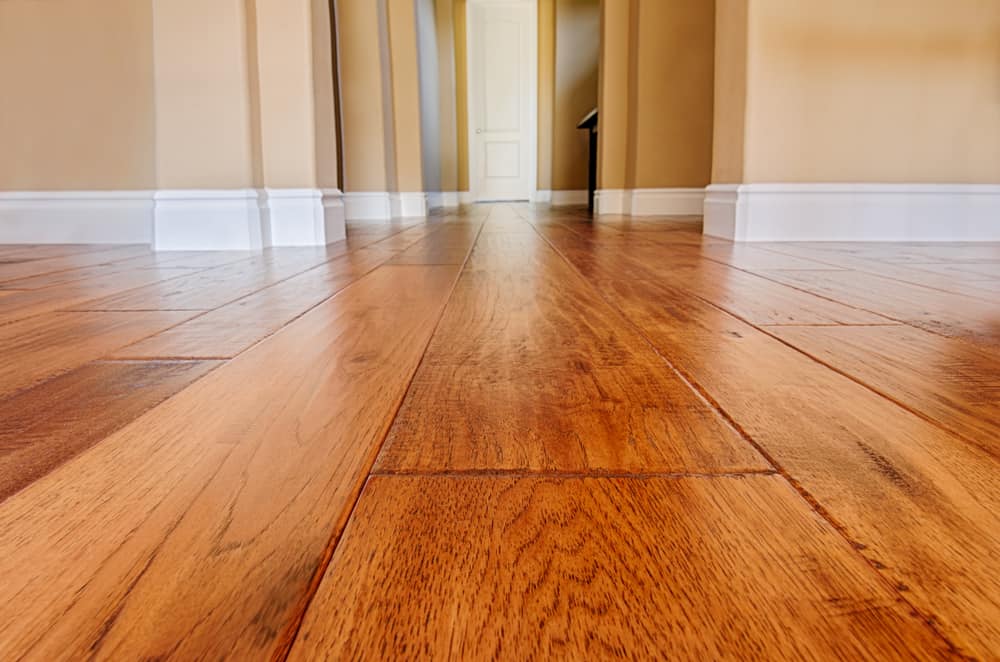
Black Hammock Luxury Vinyl Flooring
If you’ve lived off Black Hammock Road for a while, you know where the water went in 2017 and what Ian did in 2022. You also saw the fish camp parking lot underwater again after Milton in 2024. When the lake finally drops, the floor is usually the first big decision on the list.
That’s where luxury vinyl plank flooring in Black Hammock makes sense. Solid hardwood and laminate swell and cup when water gets to them. A rigid-core vinyl plank handles spills, wet paws, and surface water much better, so a wet season is less likely to turn into a full tear-out.
Here’s the honest part: waterproof isn’t flood-proof. The plank can come through fine while moisture trapped underneath causes the trouble. That’s why we test and check the subfloor before anything gets laid.
The everyday payoff is simpler. If you’ve got a few acres, dogs, and a back door that sees boots from the Wilderness Area trails and the lake, a wood-look plank wipes clean and doesn’t scratch the way finished wood does. A wear layer in the 12 to 20 mil range is the mainstream choice for that kind of traffic. Keep real hardwood for the dry formal rooms if you love it, and put vinyl where the mud lands.
Black Hammock LVP Flooring Company
Harrington Hardwood Floors is led by Geste Harms, who has spent more than 30 years installing, repairing, sanding, and finishing wood floors and staircases in Central Florida. We serve Seminole and Orange County, and Black Hammock sits on the Seminole side, along the southern shore of Lake Jesup.
Starting with hardwood matters when you’re choosing vinyl. Someone who knows what real wood does in this climate can tell you plainly when luxury vinyl plank flooring in Black Hammock is the right call and when engineered hardwood is better for a dry room. Sometimes the honest answer is a mix of both.
Customers keep mentioning the same things: on time every day, clear communication, and a clean house when the job is done. On a rural lot with a long driveway, that kind of reliability counts for more than a slogan. You talk with the owner from the first walk-through, and the person who looks at your floor is the person standing behind the quote.

LVP Flooring Installation Black Hammock
It starts with a walk through your house. We look at what’s down now, ask where water has come in before, and figure out what’s under the floor. That last part matters here. Homes in Black Hammock range from 1950s ranches to 2013 estates, so you can’t assume slab, raised, or anything else until someone checks.
Next comes testing. We check the subfloor for moisture and flatness, because a plank laid over a damp or uneven surface is how you end up with gaps and peaking later. If old carpet, vinyl, or worn wood has to come out, or the subfloor needs leveling or repair, that gets priced and handled before a single plank goes down.
Then the planks sit in the house to adjust, and the install begins. We choose click-lock or glue-down based on the subfloor and the room, leave proper expansion gaps at the walls, and finish with transitions and trim. That’s what luxury vinyl plank flooring installation in Black Hammock looks like when it’s done to last.
If your house took on water, give it time. Lake Jesup kept rising for days after Hurricane Ian passed, and a subfloor that feels dry on day three may not be dry on day ten. For bigger storm rebuilds, check with Seminole County first, since homes in the floodplain have their own rules.

Ready to get started?
Waterproof Vinyl Plank Flooring Black Hammock
Your luxury vinyl plank flooring installation in Black Hammock covers more than the planks. Moisture testing, subfloor leveling and repair, removal of what’s there now, transitions, trim, and hauling away the debris are all part of the conversation. You’ll see what each one adds to the price before work starts, so nothing shows up as a surprise later.
Product choice is the other big piece. For most households out here, we’ll point you toward SPC, the rigid-core type, because it resists dents from dogs, dropped tools, and heavy boots. WPC is warmer and softer underfoot, which some people prefer in bedrooms. We’ll go over wear layer and texture so you end up with a plank that looks right and holds up.
Home size changes the plan. A 1,200-square-foot ranch on Black Hammock Road is mostly a prep question. A house closer to 5,000 square feet, like the larger ones in the Preserve at Black Hammock, is a layout question, with long runs, clean transitions, and a consistent look from room to room. Both get the same testing up front.
What you won’t get is a promise that luxury vinyl flooring in Black Hammock lasts forever. It can’t be refinished, it can fade in strong sun, and heavy furniture needs pads. A damaged plank can be replaced, and you’ll hear that from us before you buy.

Is waterproof vinyl plank flooring the same as flood-proof for a home near Lake Jesup?
No, and anyone who tells you otherwise is selling something. Waterproof means the plank itself won’t swell or rot when it gets wet. It doesn’t mean water can’t get underneath, sit there, and cause trouble with the subfloor, the adhesive, or whatever lies below.
For a home near Lake Jesup in Black Hammock, that difference is the whole conversation. Spills, wet dogs, a leaking dishwasher, and a bit of surface water are what waterproof vinyl plank flooring handles well. Standing floodwater is a different event. Vinyl also slows vapor, so water that gets under it can stay there longer than you’d expect.
The way to protect yourself is to start with the subfloor. Test it for moisture, get it flat, and pick the right core and install method. After a real flood, both the floor and what’s under it need to be checked before anything new goes down.
How much does luxury vinyl plank flooring installation cost for a Black Hammock home?
The price of luxury vinyl plank flooring installation in Black Hammock depends on the size of the house, the plank, and what’s under the old floor. For Florida, BuildPriced puts a typical 1,000-square-foot vinyl plank install at about $6,500 to $8,500 with basic underlayment, or roughly $6.50 per square foot. This Old House breaks it out differently: about $3 to $10 per square foot for material and another $3 to $10 for professional labor. Serrano Renovations puts Florida installs anywhere from $4 to $16 per square foot, so the sources spread wide.
Removing old flooring typically adds about $1 to $2 per square foot, and leveling or moisture work adds more. In Black Hammock that spread is real. Houses run from about 1,200 square feet to well past 5,000, and older ones are more likely to need subfloor work. Treat these numbers as ranges, not a quote. A walk-through is the only way to get a real figure for your house.
Should I choose SPC or WPC vinyl plank for a house on acreage with dogs?
For most acreage homes with dogs, SPC. It’s the rigid type, with a stone-based core that resists dents and holds up to claws, dropped tools, and heavy boots. WPC has a softer core, so it feels warmer and gentler underfoot, but it dents more easily.
The other number to check is the wear layer. Twelve to 20 mil is the mainstream range for luxury vinyl flooring in Black Hammock and everywhere else, and the thicker end makes sense when you have big dogs and daily mud coming in. Texture matters too. A plank with a real embossed grain hides scuffs better and looks less like plastic than a smooth one.
One honest trade-off: SPC can feel cold underfoot, especially over a slab. If you’re planning it for a bedroom, tell us, and we’ll talk through whether WPC fits better there.
Can luxury vinyl plank flooring go over my older Black Hammock home's existing floor?
Sometimes. Vinyl planks can go over some existing floors, like a flat, solid, hard surface, as long as it’s prepped right. Carpet always has to come out, and so does anything soft, loose, or damaged. Glue-down planks especially will telegraph every ridge and flaw underneath.
That matters for luxury vinyl plank flooring in Black Hammock, where homes along Black Hammock Road date from the 1950s through 2013. An older house can have a subfloor that’s out of level, patched, or showing years of moisture. We’d look at it in person before telling you yes or no.
And don’t assume you have a slab. Foundation type varies out here, and it changes both the moisture testing and the install method we’d choose.
What should I do about flooring after a hurricane or lake flooding in Seminole County?
Slow down first. Lake Jesup flooding showed up days after Hurricane Ian passed, so water keeps rising after the weather clears. Wait until things have truly dried before you decide on anything.
Then get the subfloor checked. Vinyl planks slow vapor, and moisture left underneath can lead to adhesive failure, odors, and mold on organic underlayment. Moisture testing before new flooring goes down is the step that keeps you from tearing it all out a second time.
If the damage goes beyond flooring, with drywall, electrical, and more, talk to Seminole County’s Building Division before you rebuild. Properties in the floodplain have extra rules for large repairs. We’re a flooring company, not a permit or insurance office, so we won’t tell you what applies to your parcel. We can tell you what’s safe to lay on what you’ve got.
Is there a way to lower the cost of vinyl plank installation in Black Hammock?
There are a few ways, and some are smarter than others. Scope is the biggest lever. You can start with the rooms that take the abuse, like the entry, kitchen, and family room, and plan the rest for later. Plank choice matters too. Material runs about $3 to $10 per square foot, and a mid-range plank with a solid wear layer often serves a busy household better than the cheapest option.
DIY is the other route, and plenty of people in Black Hammock like handling their own projects. Click-lock planks are DIY-friendly, and professional labor runs about $3 to $10 per square foot, so the savings are real. The catch is that most failures come from prep: moisture, flatness, and expansion gaps. Near a lake, skipping those is the expensive shortcut.
If you want a firm number for luxury vinyl plank flooring installation in Black Hammock, call or text us at 407-701-2028 and tell us what you’re planning.
Other Services we provide in Black Hammock