
Hardwood Floor Cleaning in Lake Mary Jane, FL
Lakeside Living Is Hard on Hardwood Here's the Fix

Hear from Our Customers

Hardwood Floor Care Services, Lake Mary Jane
When you bought in Lake Mary Jane whether you’re in Isle of Pines or Live Oak Estates you weren’t buying a subdivision. You were buying into something quieter, more deliberate, and worth protecting. Your floors should reflect that. After a professional hardwood floor deep cleaning, the surface looks the way it did when you first moved in clear, warm, and genuinely clean, not just mopped.
The problem with lakeside homes is that the environment works against your floors in two directions at once. The lake drives elevated humidity year-round, which stresses wood finishes and accelerates dullness and surface breakdown. At the same time, the thick oak and pine canopy surrounding these wooded lots drops pollen, fine debris, and organic matter constantly and that material embeds in the wood grain in ways that a mop never reaches. You end up with floors that look dull no matter what you do, because the issue isn’t on the surface.
Professional hardwood floor cleaning removes what routine cleaning leaves behind. That means allergens, grime, and product residue pulled out of the grain not just pushed around. The result isn’t just cleaner floors. It’s a home that feels better to live in, and floors that last longer because the buildup that quietly damages them over time is actually gone.
Hardwood Floor Specialists Serving Orange County
We’ve been serving Orange County homes since 1990 long before Live Oak Estates broke ground and long before Lake Nona became a household name. That kind of tenure isn’t a marketing line. It means Geste Harms has worked on hardwood floors in homes just like yours, in conditions just like the ones around Lake Mary Jane, FL, for three decades.
Hardwood floors are the only thing we do. Not carpet, not tile, not a little bit of everything. Just hardwood. That focus matters because the right cleaning approach depends entirely on what type of wood you have, what finish is on it, and what condition it’s actually in and those details require real expertise to read correctly.
When you book a job, Geste shows up personally. Not a crew you’ve never met, not a subcontractor. The person you talk to is the person who does the work. In a community as close-knit as Isle of Pines, that kind of accountability isn’t just reassuring it’s how good work gets done.
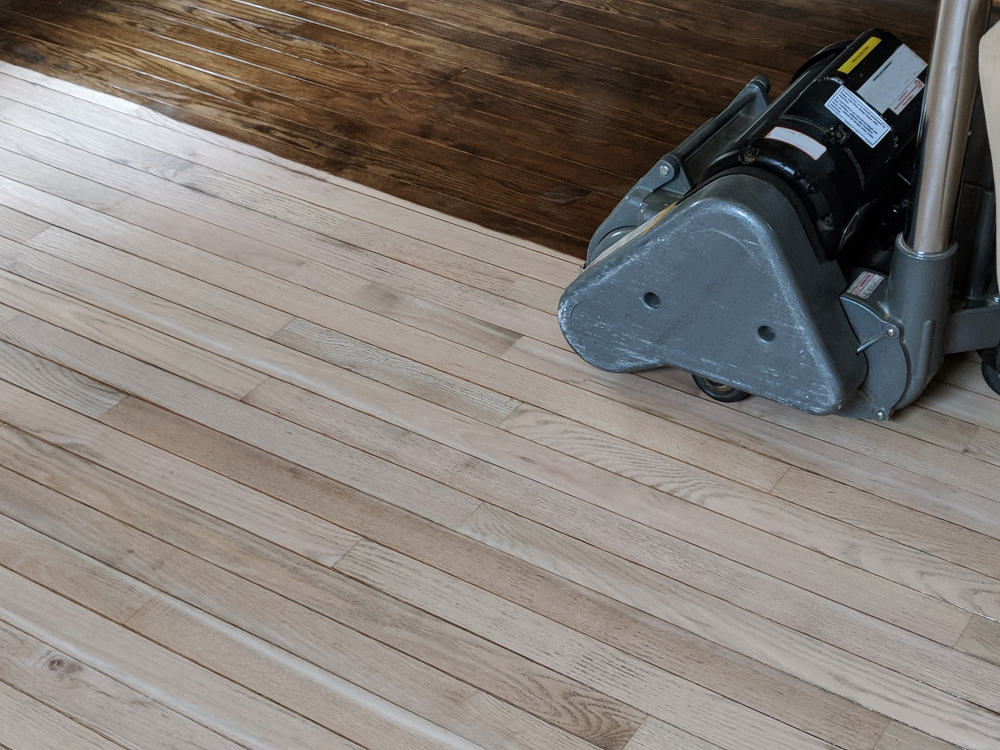
Residential Hardwood Floor Cleaning, Lake Mary Jane
It starts with an assessment not a sales pitch. Before anything is applied to your floor, we evaluate the finish type and wood condition. This step matters more than most people realize. The cleaning method and products that work perfectly on a modern polyurethane-finished floor can damage an older wax or oil-based finish. Isle of Pines has a mix of older ranch-style homes with original hardwood that may have aged finishes requiring a completely different approach than the newer luxury installations going into Live Oak Estates. Getting this wrong causes damage that can’t be undone.
Once the floor is assessed, the cleaning process starts with dry removal vacuuming and clearing surface debris, including the fine pollen and organic particulate that the wooded surroundings deposit constantly. Then comes the deep cleaning pass using pH-neutral, hardwood-specific formulas. These aren’t general-purpose floor cleaners. We choose them specifically for your finish type, and they pull grime and residue out of the grain rather than just coating the surface.
Edges, corners, and transitions get hand-cleaned the spots that machines miss and that tend to accumulate the most buildup over time. After the cleaning is complete, you’ll know what condition your floor is actually in, and whether anything else like a screen and recoat to restore the protective finish makes sense given what was found. There’s no pressure in that conversation. You’ll get a straight answer.

Ready to get started?
Hardwood Floor Maintenance and Stain Removal, Lake Mary Jane
We handle the full range of hardwood floor care services cleaning, deep cleaning, stain removal, screen and recoat, refinishing, repair, and installation. For most Lake Mary Jane homeowners coming in for the first time, the starting point is a professional deep cleaning. That alone resolves a significant amount of what looks like permanent dullness, discoloration, or surface damage especially in homes where product residue has built up over years of well-intentioned DIY cleaning.
Hardwood floor stain removal is one of the more common requests in homes with the kind of outdoor lifestyle Lake Mary Jane encourages. Large lots, dogs, lake access through Moss Park, and year-round outdoor activity means mud, moisture, and organic material get tracked in regularly. Pet stains, water marks from plants near windows, and ground-in debris from high-traffic areas all respond differently to treatment and knowing which approach applies to which stain type is something that comes from working on hardwood floors exclusively for 30 years.
For floors that are past the point where cleaning alone restores them, a screen and recoat is the middle-ground option it refreshes the protective finish without the cost or disruption of full refinishing. And for floors that genuinely need refinishing, that’s available too. Our goal is always to recommend the minimum intervention that actually solves the problem, not to upsell beyond what your floor needs.

How does Lake Mary Jane's humidity affect hardwood floors over time?
Living on a 1,119-acre lake in Central Florida means your home sits in a higher-humidity microclimate than most inland Orange County properties. Wood is hygroscopic it absorbs and releases moisture from the surrounding air and in a lakeside environment, that cycle is more pronounced and more consistent than it would be in a drier suburban setting. Over time, this causes the wood to expand and contract repeatedly, which stresses the finish and can lead to dullness, minor gapping between boards, and in more severe cases, cupping or warping.
The practical effect on cleaning is that the finish on your floor breaks down faster than it would in a lower-humidity environment. That means buildup accumulates more quickly, and the window between professional cleanings where the floor still looks good is shorter. For most households in Lake Mary Jane, annual professional hardwood floor cleaning is the baseline and if you have pets or heavy foot traffic from outdoor activity, every six months is a more realistic interval. Keeping up with that schedule is also what keeps you out of the far more expensive territory of full refinishing.
Can professional cleaning fix floors that look dull no matter how much I mop?
Yes, and this is one of the most common situations that comes through. What looks like permanent dullness is usually one of two things: product residue buildup or grime that’s embedded below the surface of the finish. Consumer floor cleaners including many that are marketed specifically for hardwood leave a film behind with every application. Over time, that film layers up and traps dirt underneath it, creating a haze that mopping actually makes worse because you’re just adding another coat of residue.
Professional hardwood floor deep cleaning uses pH-neutral, hardwood-specific formulas that break down and lift that residue rather than adding to it. Our equipment pulls material out of the grain rather than pushing it around. In most cases, floors that homeowners have written off as permanently dull look dramatically different after a single professional cleaning not because anything was added to the surface, but because what was obscuring the wood was finally removed. It’s worth having the floor assessed before assuming you need refinishing. A lot of the time, you don’t.
What's the difference between hardwood floor cleaning, recoating, and refinishing?
These are three different levels of service, and knowing which one your floor actually needs saves you real money. Cleaning including deep cleaning addresses surface and subsurface grime, residue, and staining. It doesn’t change the finish itself, but it restores how the finish looks when the material obscuring it is removed. This is the right starting point for most floors that have been maintained but haven’t had professional attention in a while.
Recoating, sometimes called screen and coat, is the next step up. It lightly scuffs the existing finish and applies a new protective coat on top. This is appropriate when the finish itself is worn dull in high-traffic areas, showing minor scratches but the wood underneath is still in good shape. It’s significantly less expensive and disruptive than full refinishing. Refinishing involves sanding the floor down to bare wood and starting the finish process from scratch. That’s the right call when there’s deep scratching, significant staining that penetrates the wood, or finish failure that recoating can’t address. After an assessment, you’ll know exactly which category your floor falls into.
Is it safe to use steam cleaners or vinegar on hardwood floors in my Lake Mary Jane home?
Neither one is safe for hardwood floors, and both cause damage that builds up over time before it becomes obvious. Steam forces moisture directly into the seams between boards. In a lakeside home that’s already dealing with elevated ambient humidity, adding steam cleaning into the mix accelerates the exact conditions moisture intrusion, swelling, finish breakdown that the environment is already creating. The warping and cupping that result aren’t always immediate, which is why homeowners often don’t connect the damage to the cleaning method.
Vinegar is acidic, and while it’s natural, that acidity erodes the finish on hardwood floors with repeated use. It doesn’t happen after one cleaning, but over months of regular application it dulls the surface, strips the protective layer, and leaves the wood more vulnerable to staining and moisture damage. The same goes for oil soaps and dish soap they leave residue that attracts more dirt and can cloud the finish over time. The right product for hardwood depends on your specific finish type, which is exactly why having a specialist assess the floor before any cleaning product is applied matters.
How often should hardwood floors in a home with pets and kids be professionally cleaned?
For a household with pets and children, the general recommendation is professional hardwood floor cleaning every three to six months rather than annually. The reasoning is straightforward: pets and kids generate more of the things that embed in wood grain tracked-in debris, moisture from paws and spills, fine particulate from outdoor activity and they spend more time at floor level, which makes the air quality and cleanliness of the floor surface more directly relevant to their health.
In Lake Mary Jane specifically, the outdoor lifestyle that comes with large wooded lots and access to Moss Park means there’s more opportunity for debris to be tracked inside. Dogs that spend time near the lake or on wooded trails bring in mud, organic matter, and moisture that concentrate in high-traffic areas near entryways and back doors. Pet urine that isn’t addressed quickly can penetrate the finish and stain the wood itself, which moves the problem from the cleaning category into the stain removal or refinishing category. Staying on a more frequent professional cleaning schedule is what keeps that from happening.
What should I do if my floors got wet after a storm or water intrusion event?
Act quickly that’s the most important thing. Hardwood floors that are exposed to standing water or prolonged moisture begin to absorb it within hours, and the longer water sits in contact with the wood, the more likely you are to see cupping, swelling, staining, and finish failure. Lakeside homes in the Lake Mary Jane area face a real flooding and water intrusion risk during tropical storm events, particularly properties close to the lake’s edge in Isle of Pines and along Moss Park Road.
The first step is removing the water source and getting air moving through the space as quickly as possible. Fans, dehumidifiers, and open windows on dry days all help. Once the floor is dry to the touch, a professional assessment is the right next move before any cleaning or restoration work is done. Moisture may still be present below the surface even when the floor looks dry, and applying cleaning products or a new finish coat over a floor that’s still holding moisture creates additional problems. We can evaluate the actual condition of the wood and finish and tell you whether cleaning, recoating, or more significant repair work is what the floor actually needs at that point.